
Recognizing a mental health crisis and what to do first
By Federico Baranzini · Updated 2026-07-17

Most people have never been taught how to recognize the difference between a genuinely bad day and a mental health crisis, which makes it harder to act with confidence when it matters. This is a practical guide to that distinction, and to what actually happens if you seek urgent help.
What separates a crisis from escalating stress
Escalating stress, even severe stress, usually still leaves someone able to communicate, make basic decisions, and keep themselves physically safe, even if they’re struggling badly. A crisis crosses into territory where safety itself is genuinely in question.
Signs that point toward a crisis rather than a difficult stretch:
- Explicit talk of suicide or a specific plan to harm oneself
- Self-harm that’s already occurred or feels imminent
- Threats or intent to harm someone else
- Severe confusion, disorientation, or loss of touch with reality
- An inability to care for basic needs (eating, safety, hygiene) that’s developed suddenly
- A sudden, extreme change in behavior that feels genuinely alarming, not just “off”
| Signal | Escalating stress | Crisis |
|---|---|---|
| Communication | Still able to talk it through | Difficult or absent |
| Safety | Distressed but safe | Safety is genuinely in question |
| Decision-making | Impaired but present | Severely impaired or absent |
| Basic needs | Managing, if strained | Not being met |
| Timeline | Building over days or weeks | Often sudden or rapidly worsening |
If any of the crisis-level signs apply, that’s not a wait-and-see situation, regardless of how the rest of the picture looks.
What to actually do
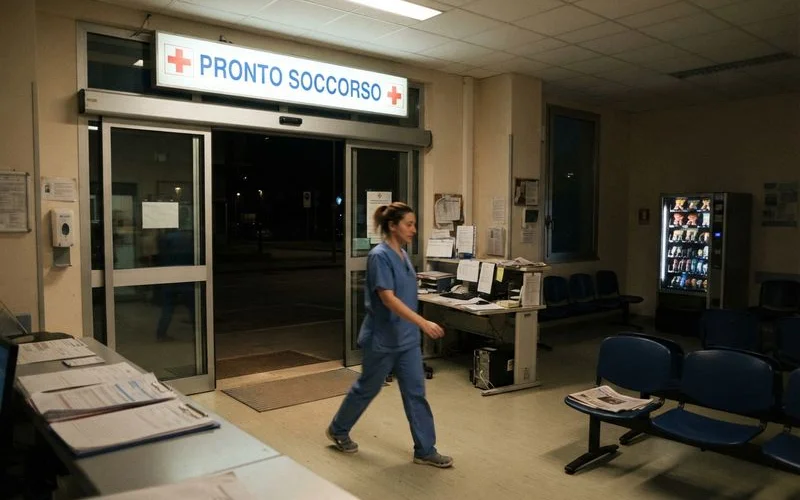
For an immediate safety risk, contacting emergency services is generally the fastest path to appropriate help; they can assess the situation directly and arrange transport if needed. If the person is safe enough to travel, going directly to a hospital emergency department is also a reasonable route.
Before anything else, remove immediate means of harm if it’s safe to do so, and stay with the person, or make sure someone is with them, until help arrives. Trying to resolve the underlying issue in that moment matters less than making sure the person is safe through the next few hours.
What happens at the hospital
A psychiatric crisis evaluation generally starts with an immediate safety assessment, followed by a more detailed psychiatric interview covering what led to the crisis, current risk, and history. Depending on what that evaluation finds, the outcome ranges from discharge with a concrete follow-up plan, to a period of observation, to admission for a more sustained period of inpatient treatment if that’s what’s needed to stabilize the situation safely.
After the immediate crisis
A responsible discharge plan includes a specific next appointment, often with a psychiatrist or a local public mental health center (CSM), and clear guidance on what to do if things start to worsen again before that appointment happens. If a discharge doesn’t include this kind of concrete follow-up, it’s reasonable to ask for it directly before leaving.
Recovery from a crisis usually continues well past the initial emergency: ongoing outpatient care, and often involving family or a support system in that follow-up, matters as much as the acute response itself.
Supporting someone after a crisis
Family and friends often want to help but aren’t sure what that looks like once the immediate emergency has passed. Checking in regularly without hovering, helping keep track of follow-up appointments, and simply being available to talk without pushing for details all tend to help more than trying to manage the person’s recovery for them. If the person is open to it, attending a follow-up appointment together can also help make sure the discharge plan is actually being followed. If the person in crisis is a child or teenager, our guide on signs your child or teen may need to see a psychiatrist covers earlier warning signs worth watching for too.
Preparing before a crisis happens
If someone in your life has a known history of crisis episodes, having a basic plan in place ahead of time, which hospital or emergency number to use, who to call, whether the person has expressed preferences about their own care during a crisis, makes an already difficult moment somewhat easier to navigate when it counts.
This article provides general information to help recognize warning signs and isn’t a substitute for professional assessment. If you or someone else may be in immediate danger, contact emergency services now rather than continuing to read.
Milan’s psychiatrists are listed and reviewed on the directory; see our methodology for how ongoing, non-urgent care is evaluated.
FAQ
- What counts as a mental health emergency versus something that can wait?
- Any immediate risk to safety, whether thoughts of suicide, self-harm, or harm to someone else, is an emergency. Severe confusion, an inability to care for basic needs, or a sudden, extreme change in behavior also warrant urgent attention rather than waiting for a routine appointment.
- Should I call emergency services or go straight to a hospital?
- If there's an immediate safety risk, calling emergency services is generally the fastest route to appropriate help, since they can assess the situation and transport if needed. If the person is safe to travel, going directly to an emergency department is also reasonable.
- What actually happens at the hospital during a psychiatric crisis?
- Expect an initial safety assessment, followed by a more detailed psychiatric evaluation. Depending on what's found, the outcome could be discharge with a follow-up plan, a period of observation, or admission if ongoing inpatient care is needed.
- What happens after someone is discharged from a crisis evaluation?
- A good discharge plan includes a specific follow-up appointment, often with a psychiatrist or a public mental health center (CSM), and clear instructions on what to do if things worsen again before that appointment.