Psychiatric care for expats and English speakers in Milan
By Federico Baranzini · Updated 2026-07-20
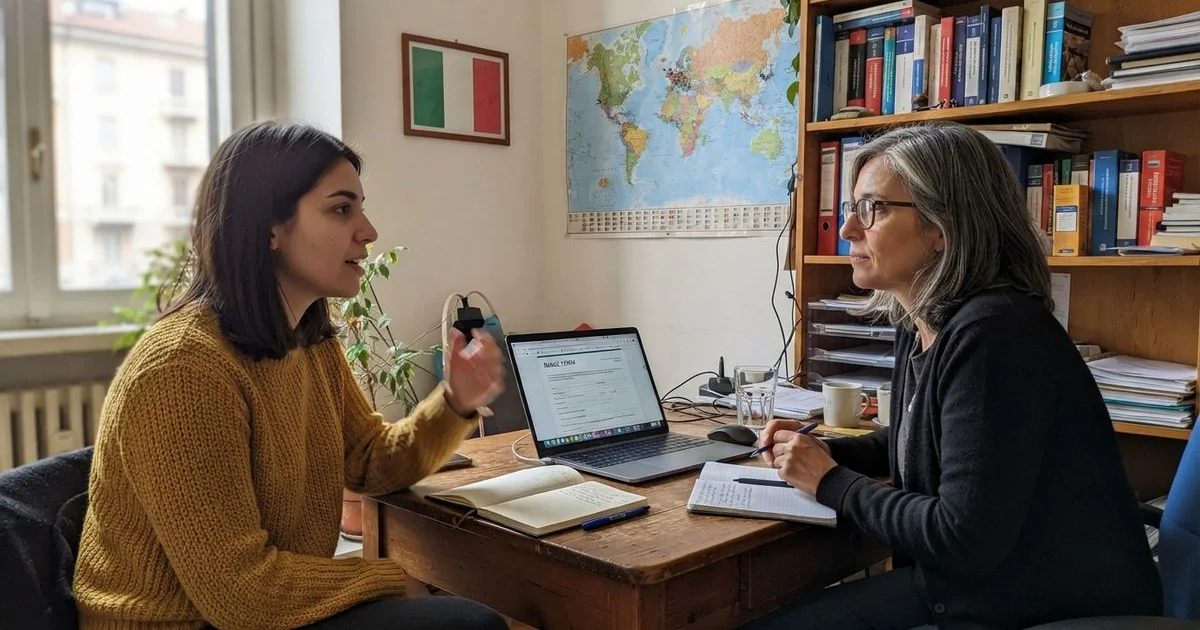
Finding a psychiatrist in a new country is harder than it needs to be when language and an unfamiliar healthcare system are added on top of an already difficult decision to seek help. Milan has a real base of English-speaking psychiatric care; here’s how to navigate it.
Finding a psychiatrist who works in your language
A meaningful number of psychiatrists and practices in Milan offer consultations in English, and some work across several languages given the city’s international population of students and professionals. Rather than assuming a practice does or doesn’t offer this, ask directly when you first make contact, since it isn’t always listed clearly on a website or in general search results.
Language matters more in psychiatry than in many other medical specialties, since accurately describing subtle symptoms, mood states, or side effects depends heavily on precise language. If your Italian isn’t fluent enough to describe something like “a racing, anxious feeling that isn’t quite panic,” working in your first language is worth prioritizing over convenience of location.
Access depends on your status, not just your preference
Whether you can use Italy’s public healthcare system (SSN) depends on your residency and visa situation, not simply on being in the country. EU citizens with valid coverage from their home country, and non-EU residents holding the right permits, may have SSN access; people on shorter-term visas or without formal residency generally rely on private care or international health insurance instead.
| Situation | Typical access |
|---|---|
| EU citizen, registered resident | Often SSN-eligible |
| Non-EU resident with valid permit | May be SSN-eligible depending on permit type |
| Short-term visitor, no residency | Generally private care or international insurance |
| Remote worker on a temporary visa | Depends on visa terms; verify directly |
Given how much this varies by individual circumstance, confirming your specific status directly with a practice or with Italy’s healthcare authorities, rather than assuming, avoids a surprise bill or a wasted trip. If cost is the bigger barrier rather than residency status, our guide on free and low-cost psychiatric care in Milan covers options worth checking.

International health insurance
Many international and expat health insurance plans cover mental health specialist visits, but the details vary a lot: some require pre-approval, some limit you to a specific provider network, and some cap the number of covered sessions per year. Confirming directly with your insurer whether psychiatry is included, and whether a specific practice is in-network, saves a lot of back-and-forth later.
If you’re only in Milan temporarily
For people expecting to relocate again within a year or two, telepsychiatry offers a practical way to maintain continuity of care that isn’t tied to a single city, provided the psychiatrist is licensed to practice in the location where you’re currently based when the consultation happens. This is worth raising directly with a prospective psychiatrist if you know your stay is short-term.
Questions worth asking before booking
- Do you offer sessions in English (or another specific language)?
- Do you accept international health insurance, or would I need to pay and seek reimbursement myself?
- Are you familiar with treating patients who split time between countries or expect to relocate?
- Can care continue remotely if I leave Milan during treatment?
Bringing records from your home country
If you’ve seen a psychiatrist before moving to Milan, bringing prior records, a summary of past diagnoses, and a current medication list saves considerable time and helps a new psychiatrist avoid retracing ground unnecessarily. Translating a short summary into English or Italian ahead of the first visit, even a rough one, tends to be more useful than handing over untranslated documents and hoping for the best. If continuity of a specific medication matters, confirming it’s available and approved in Italy before you arrive, or shortly after, avoids an unwanted gap in treatment.
Cultural differences worth knowing about
Approaches to psychiatric care can differ meaningfully between countries: some practices in Milan may take a more formal, clinical tone than what you’re used to elsewhere, while others lean toward a more conversational style closer to what many expats expect. Neither is wrong, but it’s worth being upfront if a particular style isn’t working for you rather than assuming that’s simply how psychiatry works here.
Find English-speaking and multilingual psychiatrists across Milan on the directory, and see our methodology for how listings are evaluated.
FAQ
- Do I need to speak Italian to see a psychiatrist in Milan?
- No, a good number of practices in Milan offer sessions in English, and some psychiatrists work in multiple languages. It's worth confirming language directly when you book rather than assuming.
- Can I access the public system (SSN) if I'm not an Italian resident?
- It depends on your visa status and residency situation. EU citizens with valid coverage, and non-EU residents with the right permits, may have SSN access; short-term visitors generally rely on private care or international health insurance instead.
- Will my international health insurance cover a psychiatrist in Milan?
- Many international plans do cover mental health specialist visits, but coverage varies significantly by policy. Confirm directly with your insurer whether psychiatry is included and whether you need pre-approval or a specific network provider.
- What if I'm only in Milan temporarily for work?
- Telepsychiatry can be a practical option if you expect to move again soon, since it allows continuity of care that isn't tied to a specific city, provided your psychiatrist is licensed to practice where you're currently located.