
Is telepsychiatry as effective as seeing a psychiatrist in person?
By Federico Baranzini · Updated 2026-06-29
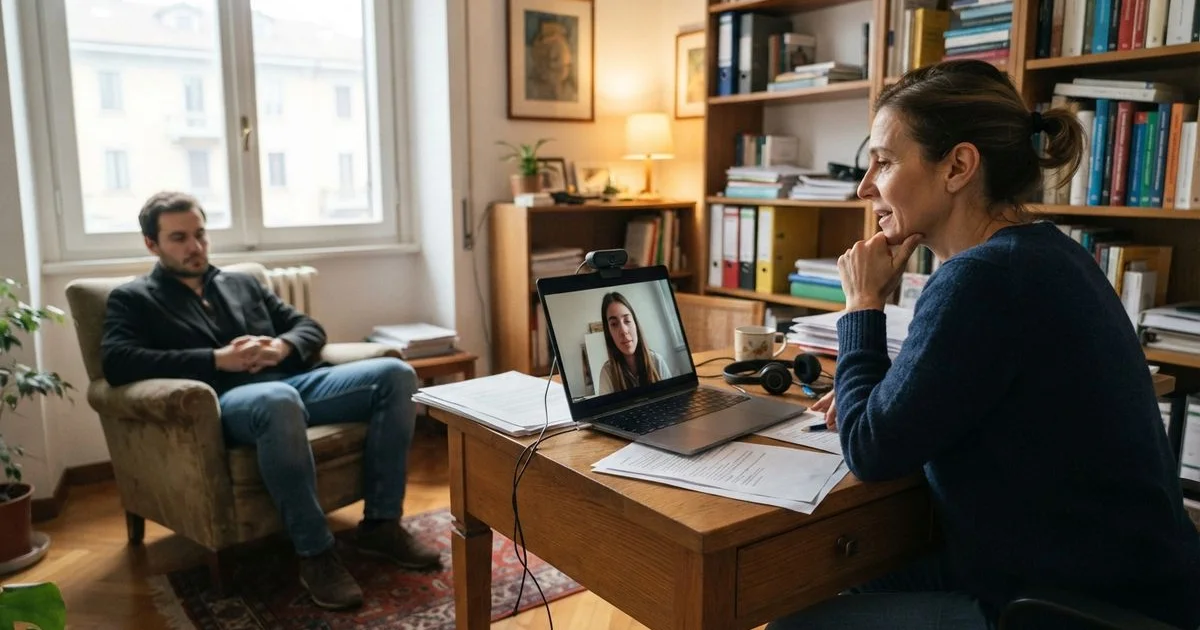
The honest answer is: for most people, most of the time, yes, telepsychiatry works about as well as in-person care. But “most people, most of the time” isn’t the same as “always,” and knowing where the real limits sit helps you decide which format fits your situation.
Where video care performs about as well as in person
For ongoing medication management once a diagnosis is established, telepsychiatry generally works as well as an office visit. The core of a follow-up appointment, discussing symptoms, side effects, and adjustments, is conversational and doesn’t require physical examination. Patients who’ve used both formats often report similar levels of satisfaction with routine check-ins conducted by video.
Talk therapy delivered through telepsychiatry-integrated practices has a solid track record too: the therapeutic relationship and the substance of the conversation are the main drivers of benefit, and video calls preserve both reasonably well for most people.
Where in-person care still has an edge
A few situations genuinely benefit from being in the room:
- Complex or unclear first evaluations. When symptoms don’t fit a clean pattern, a psychiatrist’s in-person observation (posture, movement, subtle behavioral cues) can add information a screen doesn’t fully capture.
- Safety-related situations. If there’s any concern about risk to yourself or others, an in-person evaluation allows for a more complete assessment and immediate action if needed.
- Certain physical or cognitive symptoms. Conditions with a movement or cognitive component, more relevant in geriatric psychiatry, are harder to assess reliably over video.
- Building initial rapport for some people. Not universal, but some patients find the first session easier to connect through in person, even if they’re happy to continue by video afterward.
| Situation | Video generally works well | In-person is often better |
|---|---|---|
| Routine medication follow-up | Yes | No |
| Ongoing talk therapy | Yes | No |
| First evaluation, straightforward case | Yes | No |
| First evaluation, complex or unclear | No | Yes |
| Any safety or risk concern | No | Yes |
| Assessment involving physical or cognitive signs | No | Yes |
What patients and practices actually report
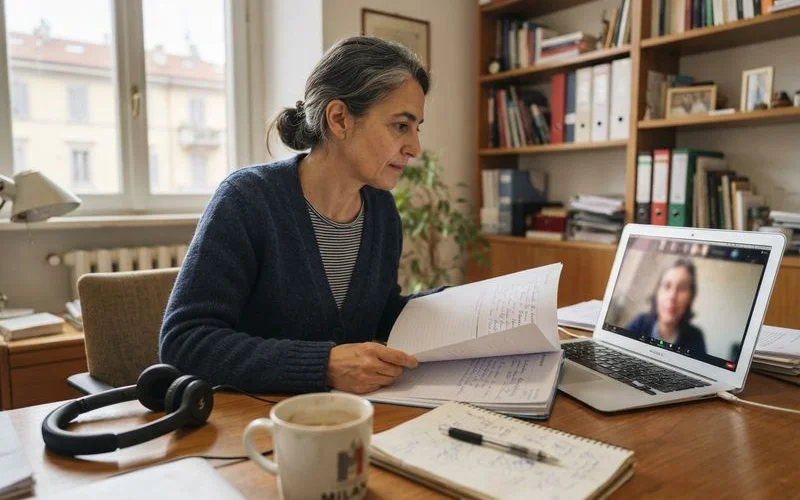
Across the practices in this directory, telepsychiatry tends to draw praise for convenience and accessibility, particularly from people managing an already-stable condition or juggling a demanding schedule. The concerns that come up more often relate to connectivity issues interrupting sessions, and a small number of people simply preferring the in-person format regardless of clinical equivalence. Neither of these speaks against the clinical effectiveness of telepsychiatry itself; they’re about comfort and logistics.
A hybrid approach often works best
Rather than choosing one format permanently, many people in Milan mix the two: an in-person first evaluation to establish a clear diagnosis and baseline, followed by video for routine follow-ups once things stabilize, with the option to return in person if anything changes significantly. This gets the benefit of a thorough initial assessment without requiring an office visit every single time afterward.
It’s worth asking a prospective psychiatrist directly whether they offer this kind of flexibility, since not every practice moves easily between formats depending on need. If you haven’t done a video visit before, our guide on what a telepsychiatry consultation involves walks through what to expect from booking to prescription.
Making the call for your situation
If you’re managing an established, stable condition, or your main need is regular check-ins and medication oversight, telepsychiatry is a reasonable default. If this is your first time being evaluated, your symptoms are hard to pin down, or safety is any part of the picture, starting in person and moving to video later is the more cautious path.
What to watch for once you’re in ongoing video care
If you switch to telepsychiatry after starting in person, pay attention to whether the quality of the conversation itself changes, not just the format. A rushed video appointment that skips questions a psychiatrist would normally ask in person is a sign to raise directly, since the format shouldn’t be an excuse for a thinner visit. Most practices maintain the same standard regardless of format, and it’s reasonable to expect that consistency.
This is general information based on typical patterns of care, not a clinical recommendation for your specific situation; a psychiatrist can help you decide which format fits your case.
Compare telepsychiatry and in-person psychiatrists on the directory, scored using our methodology.
FAQ
- Is medication management as reliable over video as in person?
- For most conditions, yes, once a diagnosis is established. Monitoring symptoms and side effects through conversation works similarly on video, though a psychiatrist may ask you to get labs or a physical check done separately with your GP when needed.
- Are there conditions where in-person care is clearly better?
- Complex or unclear presentations, situations involving safety risk, and cases where subtle physical signs matter (certain movement or cognitive symptoms, for instance) tend to benefit from in-person assessment, at least for the first evaluation.
- Do patients report a similar level of connection with their psychiatrist over video?
- Many do, particularly for ongoing follow-up care once a relationship is established. Some people find building initial rapport slightly easier in person, though this varies a lot by individual preference.
- Can telepsychiatry work for a first-ever psychiatric evaluation?
- It can, and many Milan practices now offer this. If your situation is straightforward, video is usually fine; if it's complex, urgent, or involves risk, an in-person first visit is generally the safer starting point.